Industrial Pest Control on the Central Coast
Prompt, professional pest control with over 30 years' experience, competitive pricing and guaranteed results.
30+ Years' Experience
Fully Guaranteed Work
Prompt, Friendly Service
Get a Free Quote
Industrial Pest Control That Keeps Sites Running
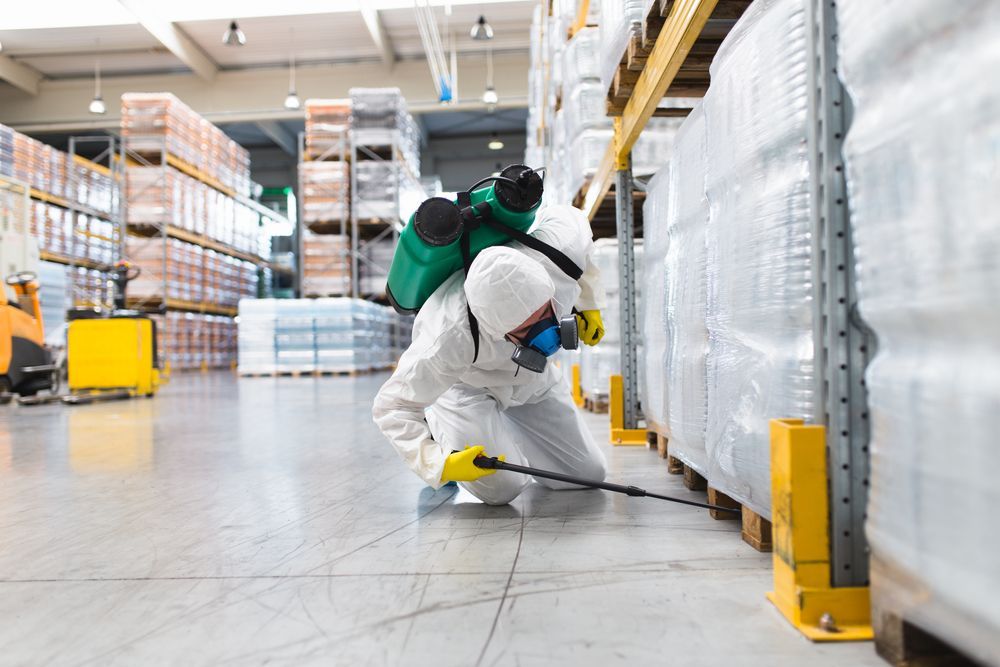
Large industrial sites and facilities often face unique pest challenges — expansive storage areas, constant movement of goods, complex structures and multiple access points can all make controlling pests far more difficult than in a home or small business. Industrial pest control isn’t just about treating visible activity; it’s about developing a structured program that supports ongoing operations, safety standards and regulatory requirements across warehouses, factories and production zones. Hancock Pest Control offers industrial pest control services across the Central Coast, designed to fit the scale and needs of industrial environments while helping protect assets, reputation and workforce comfort.
If pests are disrupting your industrial site or you want a proactive pest management plan, call 0410 438 987 to organise a service.
Frequently Asked Questions
What makes industrial pest control different from other pest services?
Industrial pest control deals with larger, more complex environments where pest pressure and access points are greater than in residential or small commercial settings. Industrial sites often include warehouses, large storage areas, production zones and interconnected spaces, which means pests like rodents, cockroaches or ants can find many hiding spots and pathways. A professional industrial service takes these complexities into account with structured monitoring, strategic treatments and regular reporting.
Industrial pest control also focuses on supporting operational continuity, safety and compliance, particularly in facilities with strict hygiene requirements.
How often should industrial pest control be done?
The frequency of servicing depends on the type of site, pest pressure, goods being handled, and compliance requirements. High-risk facilities, such as food storage areas, manufacturing plants or pharmaceutical warehouses, often require more frequent visits and monitoring. A tailored assessment will help determine a schedule that supports your pest management goals, whether that’s monthly, quarterly or another interval.
Regular servicing is key to preventing issues from building up and disrupting operations.
Can industrial pest control help with compliance requirements?
Yes. Many industries have hygiene and safety standards that include pest management as part of compliance. An industrial pest control program can be documented, scheduled and reported to support audits, quality assurance processes and regulatory checks. Technicians can also provide insights into risk areas and recommend changes to reduce pest pressure in the long term.
Tailored Programs for Complex Industrial Sites
Industrial pest control must account for large, open spaces, high traffic, varied goods and multiple entry points where pests can gain access. A thorough service starts with a detailed site assessment, including identification of pest species, structural vulnerabilities and operational patterns that influence pest behaviour. This helps create a tailored pest management plan that combines strategic placement of treatments, regular monitoring and reporting.
Industrial pest control often includes targeted measures for rodents, cockroaches, ants and other pests that pose risks to health and hygiene in warehouses, production areas and storage facilities. It can also incorporate ongoing servicing agreements that match your site’s needs and schedules, helping reduce repeat issues and maintain compliance with industry standards. A well-planned program keeps your environment under control while supporting smooth daily operations.
- Site-specific plans for industrial needs
- Monitoring, treatment and reporting support
- Reduces risk of recurring pest issues