Lice & Flea Treatment on the Central Coast
Prompt, professional pest control with over 30 years' experience, competitive pricing and guaranteed results.
30+ Years' Experience
Fully Guaranteed Work
Prompt, Friendly Service
Get a Free Quote
Get On Top of Fleas & Lice
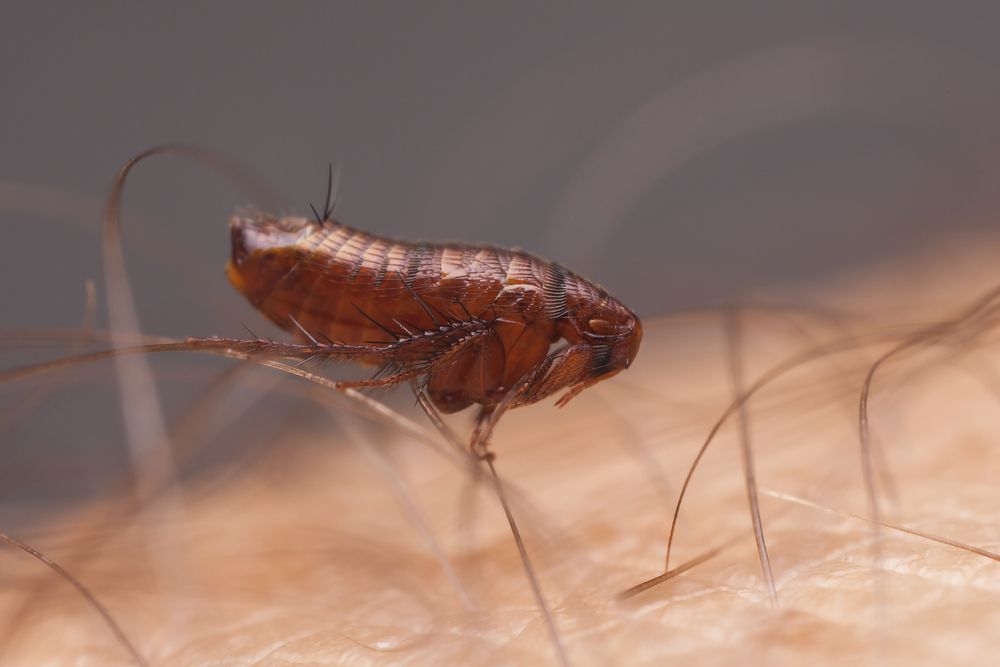
Few things are more frustrating than dealing with constant itching, restless pets, or bites that seem to appear overnight. Fleas can spread quickly through carpets, bedding and soft furnishings, while lice can move easily between people in close-contact environments. Hancock Pest Control provides professional flea and lice control across the Central Coast, helping households, tenants and property managers stop infestations properly, not just temporarily. The key is targeting the full life cycle of the pest, rather than just treating what’s visible on the surface.
If you’re ready to put an end to fleas or lice in your home or rental property, call 0410 438 987 to arrange treatment.
Frequently Asked Questions
How do fleas get into the house?
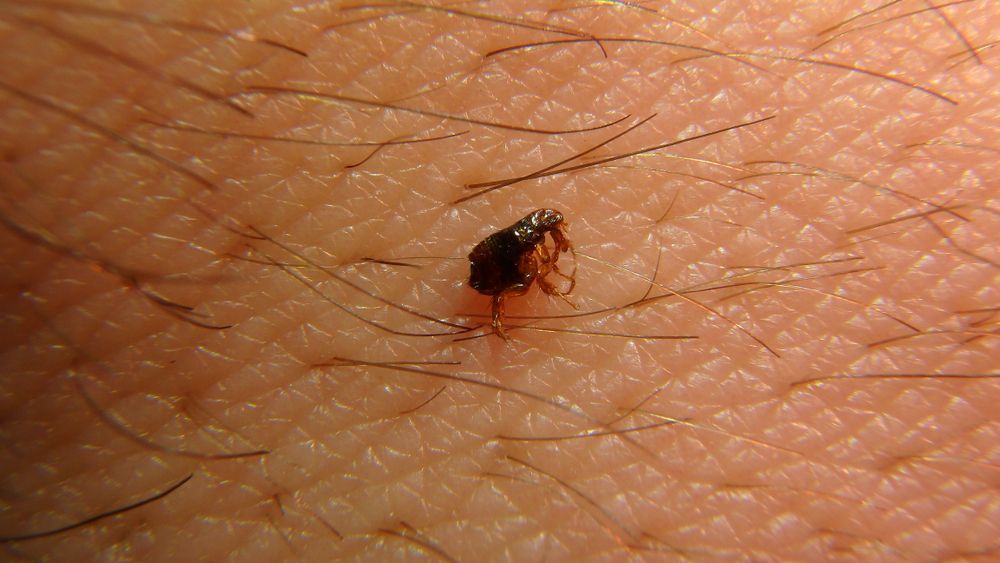
Fleas are most commonly brought inside by pets, particularly dogs and cats that spend time outdoors. They can also be carried in on clothing, shoes, or by wildlife such as possums or rodents visiting the yard. Once inside, fleas lay eggs in carpets, cracks in flooring, upholstery and pet bedding. Because the eggs are tiny and not easily visible, an infestation can grow for weeks before adult fleas are properly noticed.
Do you need to leave the house during flea treatment?
In most cases, occupants and pets will need to vacate the property during treatment and remain out until treated surfaces are completely dry. This ensures the products have time to settle and reduces unnecessary exposure. Preparation steps, such as vacuuming beforehand and removing pet bowls or toys, also help improve the overall effectiveness of the treatment.
Can lice survive in bedding and furniture?
Lice primarily live and feed on the human scalp, but they can survive for a short period on bedding, hats, hairbrushes and soft furnishings. While they cannot live long without a human host, shared items can contribute to ongoing spread if not cleaned properly. Washing bedding and clothing in hot water and thoroughly drying them helps reduce the risk of reinfestation in the household.
Breaking the Life Cycle for Long-Term Control
Flea infestations are rarely solved with a quick surface spray. Adult fleas may only make up a small percentage of the total population, with eggs, larvae and pupae hidden deep in carpet fibres, cracks in flooring, skirting boards and pet bedding. Effective flea control focuses on disrupting this breeding cycle so newly developing fleas don’t simply replace the adults that were treated.
Preparation plays an important role. Vacuuming thoroughly before and after treatment, washing pet bedding in hot water, and coordinating treatment of pets with a veterinarian-recommended product all contribute to stronger results. For rental properties, professional flea treatment is often required at the end of a lease, especially where pets have been present.
Lice control differs slightly, as lice are typically managed directly on individuals. However, environmental cleaning and treatment of shared items may be recommended in some circumstances to reduce the risk of reinfestation in shared living environments.
- Targets eggs, larvae and adults
- Ideal for homes and rentals
- Supports long-term infestation control